

ABC Birding and Trekking: Annapurna Unique Himalayan Adventure
Nestled in the heart of the Nepalese Himalayas, Annapurna Base Camp, ABC Birding and Trekking is more than just a high-altitude trekking destination. While it draws thousands of trekkers every year with its dramatic mountain vistas and cultural richness, it also offers a lesser-known treasure: birdwatching in the Himalayas. The ABC trek is a paradise not just for hikers, but also for ornithologists and bird lovers seeking rare species in pristine alpine and subtropical ecosystems.
Whether you’re an avid birder, a trekking enthusiast, or simply a curious traveler, the ABC trek offers the perfect blend of adventure and biodiversity. Here’s everything you need to know about combining ABC Birding and Trekking.
Why Choose ABC Birding and Trekking?
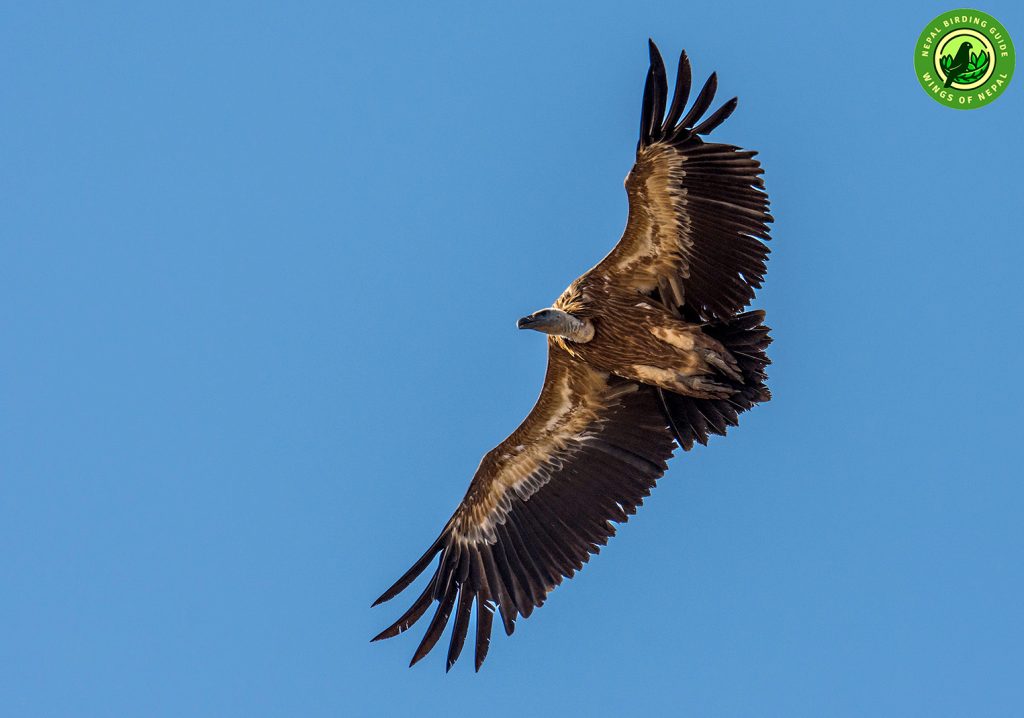
Nepal is home to over 905 recorded bird species, and the Annapurna Conservation Area (ACA), Nepal’s first and largest conservation area, boasts more than 470 of them. The ABC trail cuts through a variety of ecological zones—from lowland subtropical forests to alpine meadows—which provides ideal habitats for a wide range of bird species.
Along the way, you’ll pass through rhododendron forests, bamboo groves, river valleys, and terraced fields, each teeming with avian life. Some bird species are endemic, while others are migratory, making every season an opportunity for fresh sightings.
Best Time for ABC Birding and Trekking
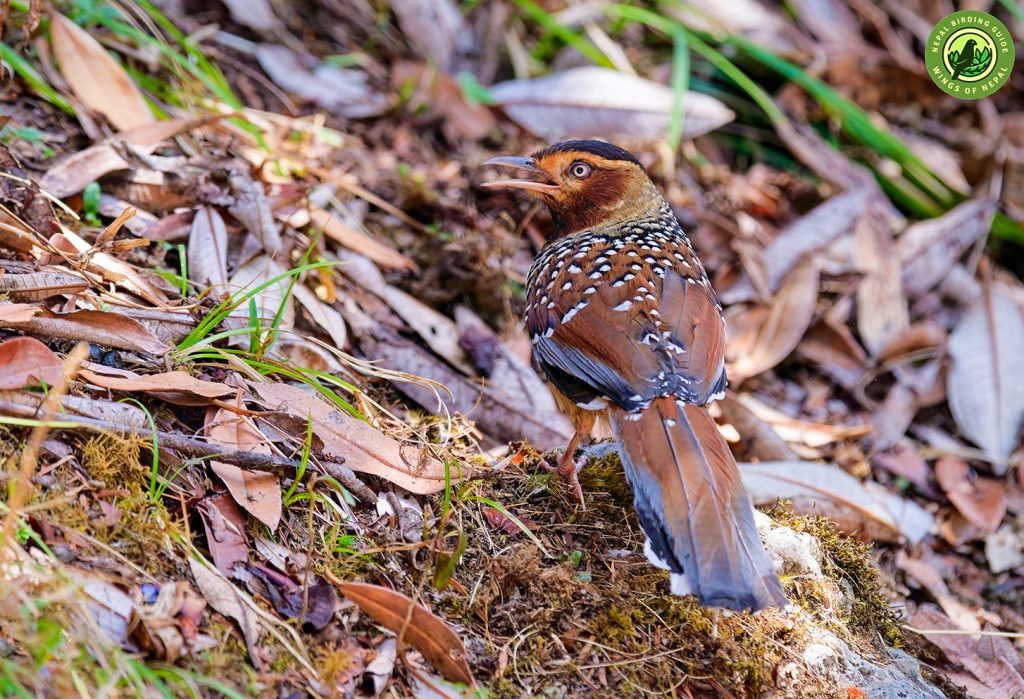
While the Annapurna Base Camp trek is accessible nearly year-round, the best seasons for birdwatching are:
- Spring (March–May): Rhododendrons are in full bloom, and many bird species are nesting and displaying.
- Autumn (September–November): Clear skies and the return of migratory birds make this an ideal birding season.
- Winter (December–February): Good for spotting high-altitude residents and some winter migrants.
Monsoon (June–August) is generally avoided due to leeches, slippery trails, and limited visibility, although birdlife is still active.
Common Birds to Spot on the ABC Trek
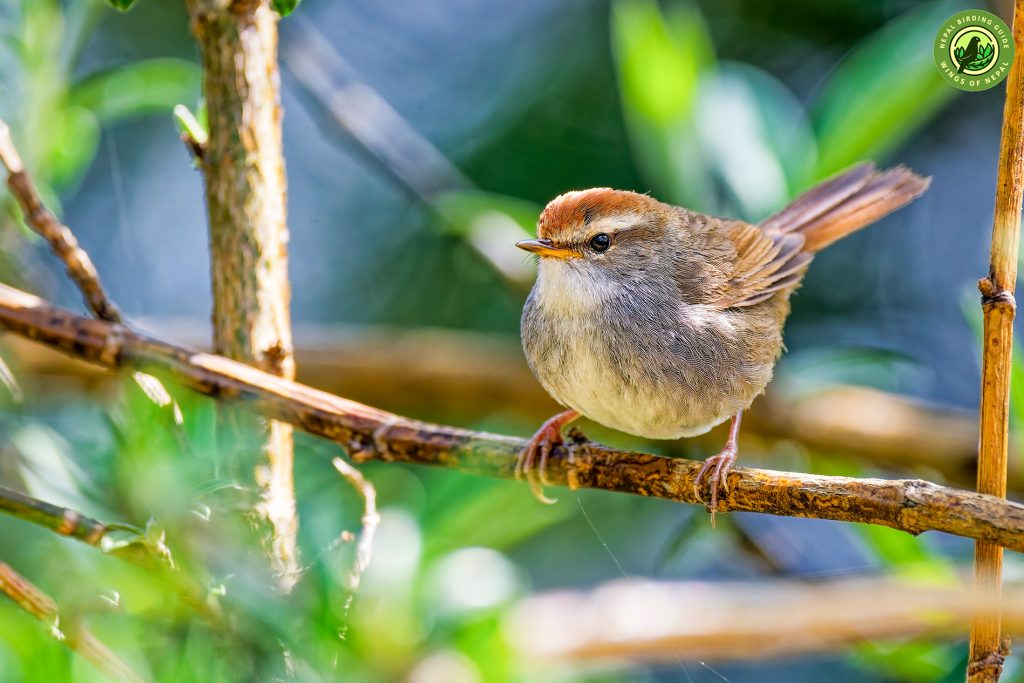
Here are some notable bird species commonly seen along the ABC trail:
Forest & Mid-Hill Species:
- Himalayan Monal (Lophophorus impejanus): Nepal’s national bird, with its vibrant iridescent plumage, is often spotted above 3,000 meters.
- Spiny Babbler (Turdoides nipalensis): Nepal’s only endemic bird, though more common in lower elevations like Pokhara, occasionally seen en route.
- Chestnut-crowned Laughingthrush
- Red-billed Blue Magpie
- Rufous Sibia
- Hoopoe
- Grey-hooded Warbler
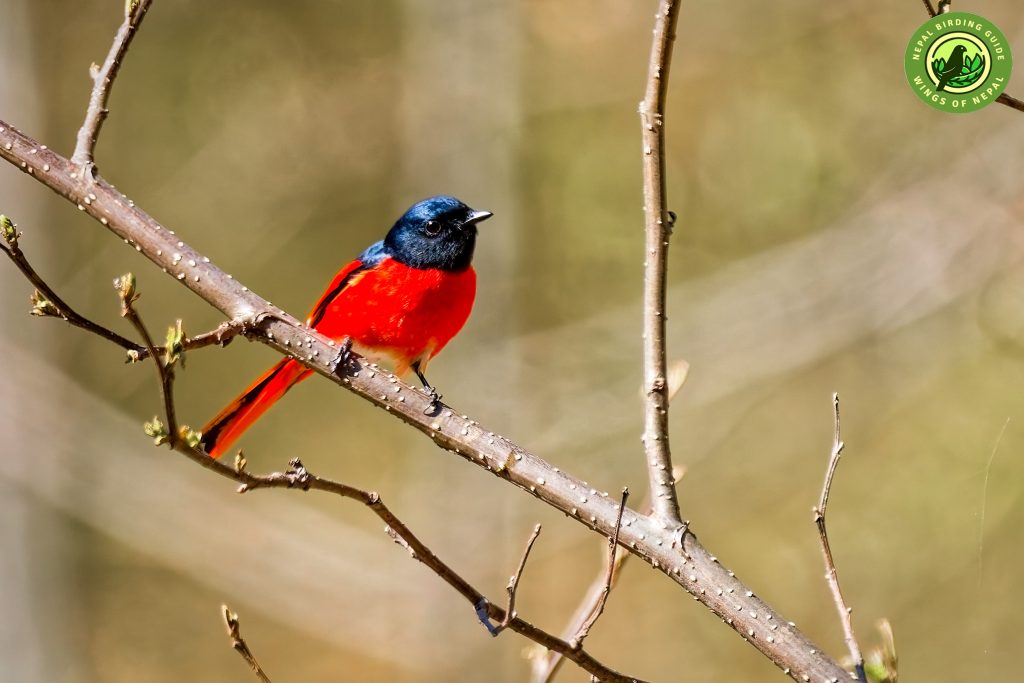
- Long-tailed Minivet
Higher Altitude Species:
- Snow Pigeon
- Grandala (Grandala coelicolor): Stunning blue thrush-like bird seen around Machhapuchhre Base Camp.
- Yellow-billed Chough
- Lammergeier (Bearded Vulture)
- Himalayan Griffon
- Tibetan Snowcock
Each altitude band offers its own unique birding experience. Binoculars, patience, and an early morning start will reward you with an unforgettable checklist.
Annapurna Base Camp Trek Overview
The ABC trek typically takes 7–12 days, depending on your starting point and pace. Here’s a sample itinerary that balances trekking with birdwatching:
Day 1: Pokhara to Nayapul – Trek to Ghandruk (1,940m)
- Terrain: Forests, terraced fields, riverside trails
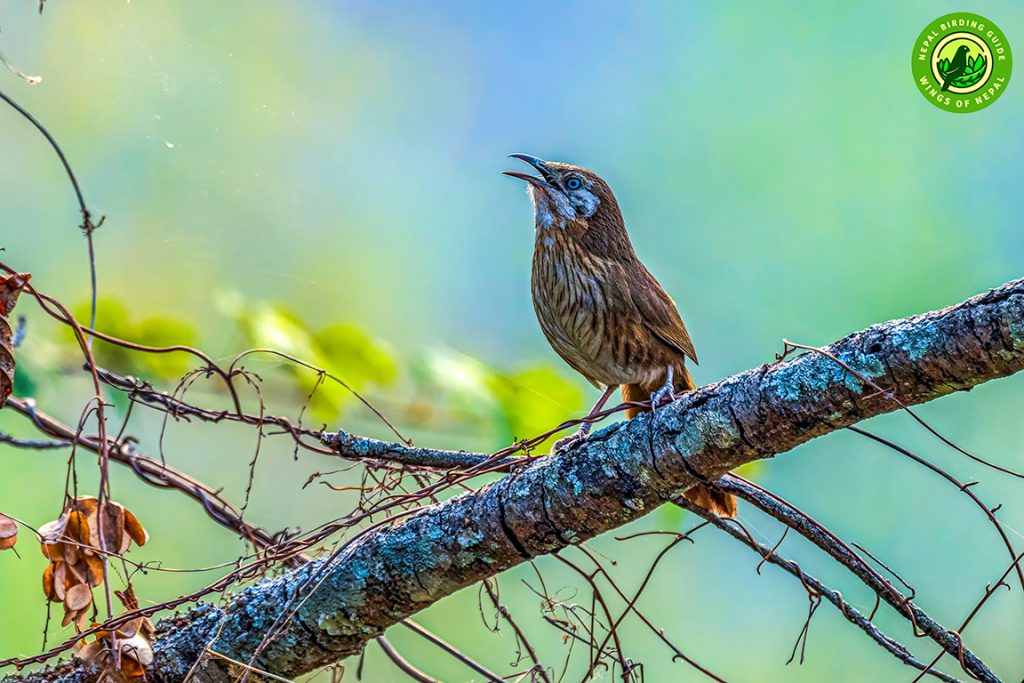
- Birds to Spot: Black-lored tit, Green-backed tit, Laughingthrushes, Flycatchers and Endemic Spiny Babbler
Day 2: Ghandruk to Chhomrong (2,170m)
- Terrain: Rhododendron forests and Gurung villages
- Birds to Spot: Himalayan Bulbul, Striated bulbul, Scarlet Minivet, White-throated Kingfisher and many more
Day 3: Chhomrong to Bamboo (2,310m)
- Terrain: Subtropical forest with bamboo thickets
- Birds to Spot: Red-headed Trogon, Great Barbet, Blue-capped Rock Thrush, Gray Bushchat and many others species
Day 4: Bamboo to Deurali (3,200m)
- Terrain: Thick alpine forests and river gorges
- Birds to Spot: Blood Pheasant, Snow Pigeon, Black-throated Parrowtbill, Fulvetta, and Laughingthrushes
Day 5: Deurali to ABC (4,130m) via MBC
- Terrain: Alpine meadows, glacial streams
- Birds to Spot: Himalayan Monal, Bearded Vulture, Yellow-billed Chough, Grandala
Day 6: Explore ABC and descend to Bamboo
- Sunrise views of Annapurna I (8,091m) and Machhapuchhre (Fishtail)
- Look for high-altitude raptors, and finches in the early morning.
Day 7: Trek to Jhinu Danda and drive to Pokhara
Start your day with a scenic descent from Bamboo (2,310m) to Jhinu Danda (1,780m), passing through lush rhododendron and bamboo forests. The trail offers stunning views of the Modi Khola river valley and takes about 4–5 hours of downhill trekking. Once at Jhinu, relax at the natural hot springs located a short walk below the village—perfect for soothing tired legs after days on the trail.
After lunch, meet your vehicle and drive back to Pokhara, a journey of around 3–4 hours, depending on road conditions. Enjoy the comfort of the lakeside city and reflect on your incredible Annapurna adventure.
What Makes ABC Birding and Trekking Unique for Birders?
1. Rich Elevation Gradient
From 1,000m to over 4,100m, the ABC trail lets you explore various habitats and bird species in a short time.
2. Rhododendron Forests
During spring, these forests explode with color and bird activity. Species like the Bar-throated Siva and Yuhinas love this environment.
3. Remote and Peaceful
Unlike Everest trails, ABC is quieter and more forested, especially above Bamboo. This peaceful setting increases the chance of rare bird sightings.
4. Cultural Add-On
Pass through Gurung villages, learning about local customs and conservation practices. Local knowledge can lead to better sightings and new discoveries.
Birdwatching and Trekking in Annapurna Base Camp Tips
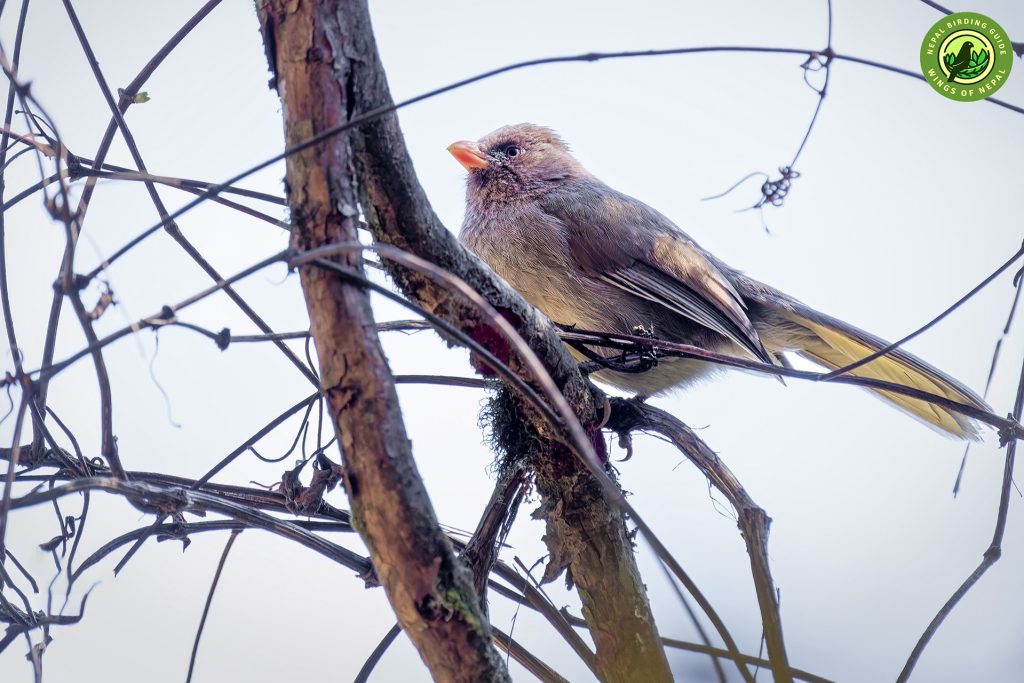
- Start Early: Birds are most active between 5:30–9:00 AM.
- Use Binoculars and a Field Guide: Carry a waterproof field guide or download digital apps (like Merlin Bird ID).
- Record Your Sightings: Use apps like eBird or a simple notebook.
- Walk Quietly: Avoid loud conversations and sudden movements.
- Hire a Local Birding Guide: Many guides from Nepal have excellent bird knowledge.
- Photography: Bring a zoom lens (300mm or above) for quality bird shots without disturbing them.
Conservation and Responsible Birding
Annapurna Conservation Area Project (ACAP) promotes eco-tourism and wildlife protection. Here’s how you can be a responsible birder:
- Stick to trails; avoid disturbing nests or habitats.
- Don’t play loud bird calls to attract species.
- Support local eco-lodges and guides.
- Never feed wild birds or animals.
Birdwatching supports conservation through awareness and economic contribution to local communities. Your interest helps protect these fragile ecosystems.
Packing Checklist for ABC Birding and Trekking
- Binoculars (8×42 recommended)
- Bird field guide (Nepal/South Asia specific)
- Camera with telephoto lens
- Daypack with hydration system
- Layered clothing (temperatures vary)
- Sturdy trekking boots
- Rain cover / poncho
- Hat, gloves, sunglasses, and sunscreen
- Trekking poles and gaiters
- Portable charger or solar power bank
Final Thoughts
ABC Birding and Trekking combines the thrill of Himalayan trekking with the meditative joy of nature observation. It’s a journey that slows you down, draws your attention to details, and fills your soul with wonder—from the flash of a sunbird in a rhododendron bloom to the silent glide of a Lammergeier across the snowy sky.
Whether you’re checking off lifers from your bird list or simply soaking in the beauty of nature, the ABC trek offers one of the most rewarding birding experiences in Nepal. So, lace up your boots, pack your binoculars, and step into the wild paradise of Annapurna.
Call to Action
Ready to combine birdwatching and trekking in Nepal? Contact Nepal Birding tour today to plan your custom ABC Birding and Trekking with expert guides, local insights, and a deep respect for nature.


