
Everest Base Camp Trek Nepal Trip Info
-
Kathmandu
-
Yes
-
KTM 3 Star Trek on Lodge
-
Oct, Nov, Mar, Apr, May
-
Government-Licensed Professional Trekking Guide
-
Only for Staff
-
English
-
5,544
-
KTM BB Plan Trek Breakfast, Lunch, Dinner
-
VISA, Master, QR Bank Transfer
-
Popular Trekking Tours in Nepal
-
Car, and Plane
-
6-7
-
Good Fitness & Trekking Experience
Everest Base Camp Trek Nepal Overview & Info
Everest Base Camp Trek Nepal – Explore the Footsteps of Mount Everest
The Everest Base Camp Trek Nepal is one of the world’s most iconic Himalayan adventures, taking you deep into the legendary Khumbu region and to the base of Mount Everest (8,848.86 meters), the highest mountain on Earth. This unforgettable journey combines spectacular mountain scenery, authentic Sherpa culture, ancient Buddhist monasteries, traditional mountain villages, and the unique landscapes of Sagarmatha National Park.
The adventure begins with a scenic flight from Kathmandu to Lukla, the gateway to the Everest region. From Lukla, the trail follows the Dudh Koshi Valley through peaceful Sherpa settlements and lush mountain forests before reaching the vibrant trading town of Namche Bazaar.
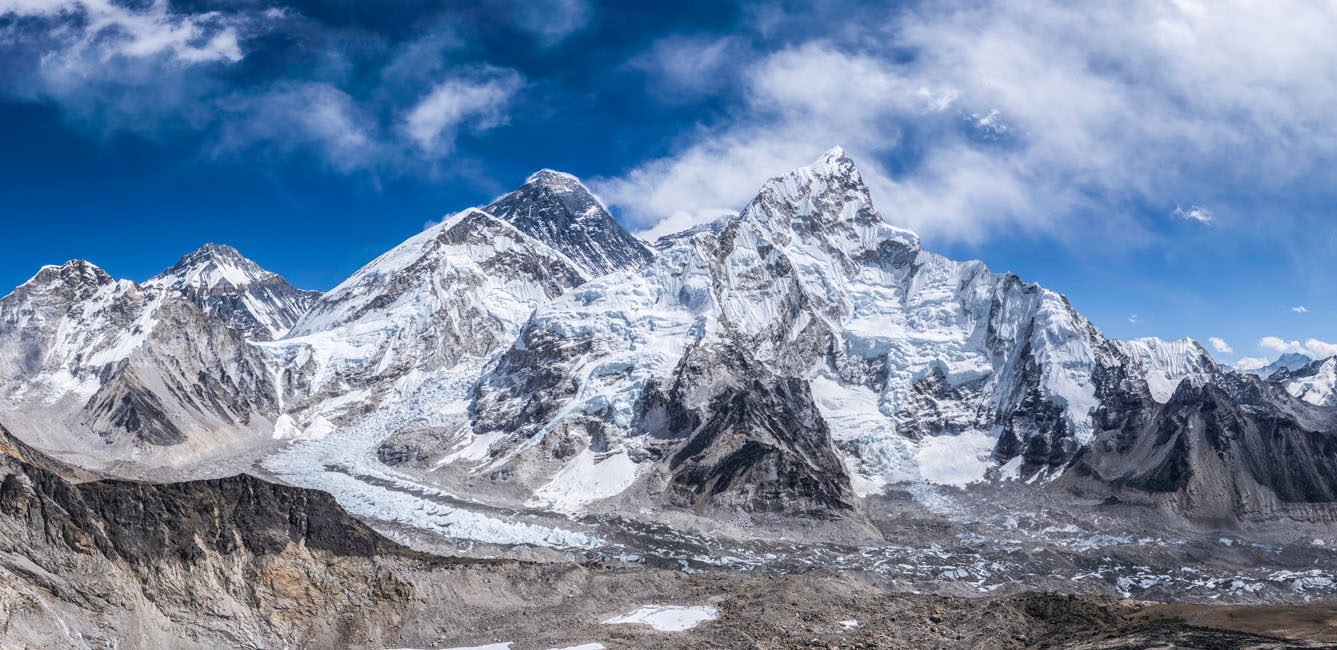
As the trek continues, you’ll pass through Tengboche, Dingboche, Lobuche, and Gorak Shep, gradually gaining altitude while enjoying increasingly dramatic views of the Himalayan peaks. The ultimate trekking destination is Everest Base Camp at 5,364 meters, where you can stand beneath the world’s highest mountain and experience the remarkable atmosphere of the Khumbu glacier.
Another major highlight is the early-morning hike to Kala Patthar (5,545 meters). From this famous viewpoint, trekkers can enjoy spectacular sunrise views of Mount Everest, Lhotse, Nuptse, Ama Dablam, Pumori, and other surrounding peaks.
The Everest Base Camp journey is not only about reaching a destination. Along the trail, you’ll experience the unique culture and hospitality of the Sherpa people, visit Buddhist monasteries, walk through dramatic Himalayan valleys, and discover the natural diversity of Sagarmatha National Park, a UNESCO World Heritage Site.
For travelers interested in combining trekking with birdwatching, the Everest region also offers opportunities to observe high-altitude Himalayan birds. Our Everest Birding and Base Camp Trek combines the classic EBC experience with birdwatching opportunities, including the Himalayan Monal, Nepal’s national bird.
Everest Base Camp Trek Route
The classic Everest Base Camp Trek route begins in Kathmandu with preparations for the journey before taking a short flight to Lukla.
From Lukla, the trail descends and follows the Dudh Koshi River toward Phakding. The route then continues through traditional villages and forested landscapes toward Namche Bazaar, the main trading and acclimatization center of the Khumbu region.
After acclimatization in Namche, the trail continues toward Tengboche, known for its famous Buddhist monastery and spectacular mountain views. From Tengboche, the landscape gradually becomes more alpine as you trek toward Dingboche.
The route then continues through Dingboche, Lobuche, and Gorak Shep before the final trek to Everest Base Camp. After exploring the base camp area, the early-morning climb to Kala Patthar provides one of the most impressive Himalayan viewpoints of the entire journey.
The return journey follows the Khumbu Valley back toward Lukla, completing an unforgettable trekking experience in the Everest region.
Everest Base Camp Trek Difficulty
The Everest Base Camp Trek is considered a challenging high-altitude trek, although it does not require technical climbing skills. The main challenges are long walking days, steep ascents and descents, rugged mountain trails, and increasing altitude.
The highest sleeping point is around Gorak Shep, while the trek reaches 5,364 meters at Everest Base Camp and approximately 5,545 meters at Kala Patthar.
Good physical fitness, proper acclimatization, appropriate trekking equipment, and a gradual walking pace are important for enjoying the trek safely. Previous high-altitude trekking experience is helpful but not essential for physically prepared trekkers.
Altitude affects everyone differently, so trekkers should pay attention to their health and communicate with their guide if they experience symptoms of altitude sickness.
Acclimatization During the Trek
Proper acclimatization is one of the most important parts of a successful Everest Base Camp adventure. The itinerary is designed to allow your body time to adjust as you gain elevation.
Namche Bazaar is an important acclimatization point, while Dingboche provides another opportunity to rest and adapt to the higher altitude.
During acclimatization days, short hikes to higher elevations followed by a return to lower sleeping altitudes can help prepare the body for the journey ahead.
Our experienced local guides monitor the group throughout the trek and can adjust the itinerary when necessary according to health, weather, and trail conditions.
Sherpa Culture and Himalayan Villages
One of the most rewarding aspects of the Everest Base Camp Trek is the opportunity to experience the culture of the Sherpa communities who have lived in the Khumbu region for generations.
Along the trail, you’ll encounter prayer wheels, colorful prayer flags, mani stones, Buddhist monasteries, traditional homes, and welcoming mountain lodges.
Tengboche Monastery is one of the cultural highlights of the trek and offers a peaceful setting surrounded by spectacular Himalayan peaks.
The journey provides an opportunity to learn about the traditions, lifestyle, religion, and mountain heritage of the Sherpa people while supporting local communities along the trekking route.
Birds and Wildlife on the Everest Base Camp Trek
The Everest region is also an interesting destination for nature lovers and birdwatchers. The changing elevation creates a variety of habitats, from lower forests to high-altitude alpine landscapes.
Depending on the season and location, trekkers may encounter species such as the Himalayan Monal, Blood Pheasant, Himalayan Griffon, Snow Pigeon, and other mountain birds.
For photographers and birdwatchers who want to spend more time searching for Himalayan species, our Everest Birding and Base Camp Trek offers a specialized alternative to the standard trekking itinerary.
Best Time for Everest Base Camp Trek
The best seasons for the Everest Base Camp Trek in Nepal are generally spring (March to May) and autumn (September to November).
Spring – March to May
Spring brings warmer temperatures, blooming rhododendrons, active birdlife, and generally favorable trekking conditions. Mountain views can be spectacular, particularly during clear mornings.
Autumn – September to November
Autumn is one of the most popular trekking seasons in the Everest region. After the monsoon, the skies are often clearer, visibility is excellent, and temperatures are comfortable for long trekking days.
Winter – December to February
Winter can provide exceptionally clear mountain views, but temperatures are much colder, especially at higher elevations. Snow and icy trail conditions can also make sections of the route more demanding.
Monsoon – June to August
The monsoon brings rain to lower elevations and can affect flight and trail conditions. However, experienced trekkers may still enjoy the quieter trails and lush landscapes during this period.
Everest Base Camp Trek Preparation
Preparing properly before the trek can make a significant difference to your experience.
We recommend focusing on:
- Regular hiking and walking
- Cardiovascular endurance
- Uphill and downhill training
- Leg and core strength
- Walking on uneven terrain
- Gradually increasing walking distance
- Practicing with your trekking boots and backpack
- Preparing suitable clothing for changing temperatures
You do not need to be an athlete, but you should be comfortable walking for several hours on consecutive days.
What Makes Everest Base Camp Trek Special?
The Everest Base Camp Trek is special because it combines extraordinary natural scenery with culture, adventure, and a genuine Himalayan experience.
You don’t simply see Mount Everest from a distance. You walk through the landscapes surrounding the world’s highest mountain, stay in traditional mountain communities, cross suspension bridges, visit Buddhist monasteries, and gradually enter the high-altitude environment of the Khumbu.
For photographers, the trek provides endless opportunities to capture mountain landscapes, Sherpa villages, monasteries, glaciers, prayer flags, wildlife, and Himalayan sunrises.
Why Choose Our Everest Base Camp Trek?
We are a local Nepal-based trekking and nature travel company with experience organizing trekking, birdwatching, wildlife, and photography adventures throughout Nepal.
Our experienced local guides provide assistance throughout the journey, from Kathmandu preparations to the Everest region and back to Lukla.
We focus on:
- Experienced local trekking guides
- Proper acclimatization
- Flexible and well-organized itineraries
- Comfortable teahouse accommodation
- Local cultural experiences
- Responsible and sustainable tourism
- Personalized support for private and small groups
For travelers interested in combining trekking with wildlife and nature experiences, we can also customize the itinerary around your specific interests.
Responsible Trekking in the Everest Region
The Everest region is one of Nepal’s most precious natural and cultural landscapes. Responsible trekking helps protect this environment for future generations.
Trekkers are encouraged to minimize plastic waste, respect local traditions, avoid disturbing wildlife, use designated trails, and follow the regulations of Sagarmatha National Park.
We promote responsible travel practices and encourage our guests to respect both the natural environment and the local communities they visit.
For official information about tourism, trekking destinations, and travel planning in Nepal, visit the Nepal Tourism Board.
Book Your Everest Base Camp Trek Nepal
Experience the legendary Everest Base Camp Trek Nepal and discover the spectacular landscapes, culture, wildlife, and mountain communities of the Khumbu region.
Whether you are planning your first Himalayan trek, a private adventure with family or friends, or a combined trekking and birdwatching experience, we can customize your journey according to your interests and schedule.
Contact us to plan your Everest Base Camp adventure in Nepal and take the unforgettable journey to the foot of Mount Everest.
Everest Base Camp Trek Nepal Trip Highlights
- Scenic mountain flight from Kathmandu to Lukla
- Trek to Everest Base Camp at 5,364 meters
- Experience the legendary Khumbu region of Nepal
- Explore the famous Sherpa town of Namche Bazaar
- Visit the historic Tengboche Monastery
- Enjoy sunrise from Kala Patthar at 5,545 meters
- Admire panoramic views of Mount Everest, Lhotse, Nuptse, Ama Dablam, and Pumori
- Walk through the spectacular Sagarmatha National Park
- Experience authentic Sherpa culture and mountain hospitality
- Explore traditional Himalayan villages and Buddhist monasteries
- Walk through forests, alpine valleys, and glacial landscapes
- Opportunity to observe Himalayan birds and wildlife
- Combine trekking with birdwatching through a customized itinerary