
Table of Contents
ToggleBird Photography in Nepal
Bird Photography in Nepal: An Unforgettable Journey with Birdwatching
Nepal is a paradise for bird lovers and photographers alike. Nestled between the towering Himalayas and the lush lowland jungles, this small yet incredibly diverse country offers one of the richest birding experiences in the world. Combining bird photography with birdwatching in Nepal is not just a hobby—it becomes a deeply immersive adventure filled with color, sound, and discovery.
Why Nepal is a Bird Photographer’s Dream
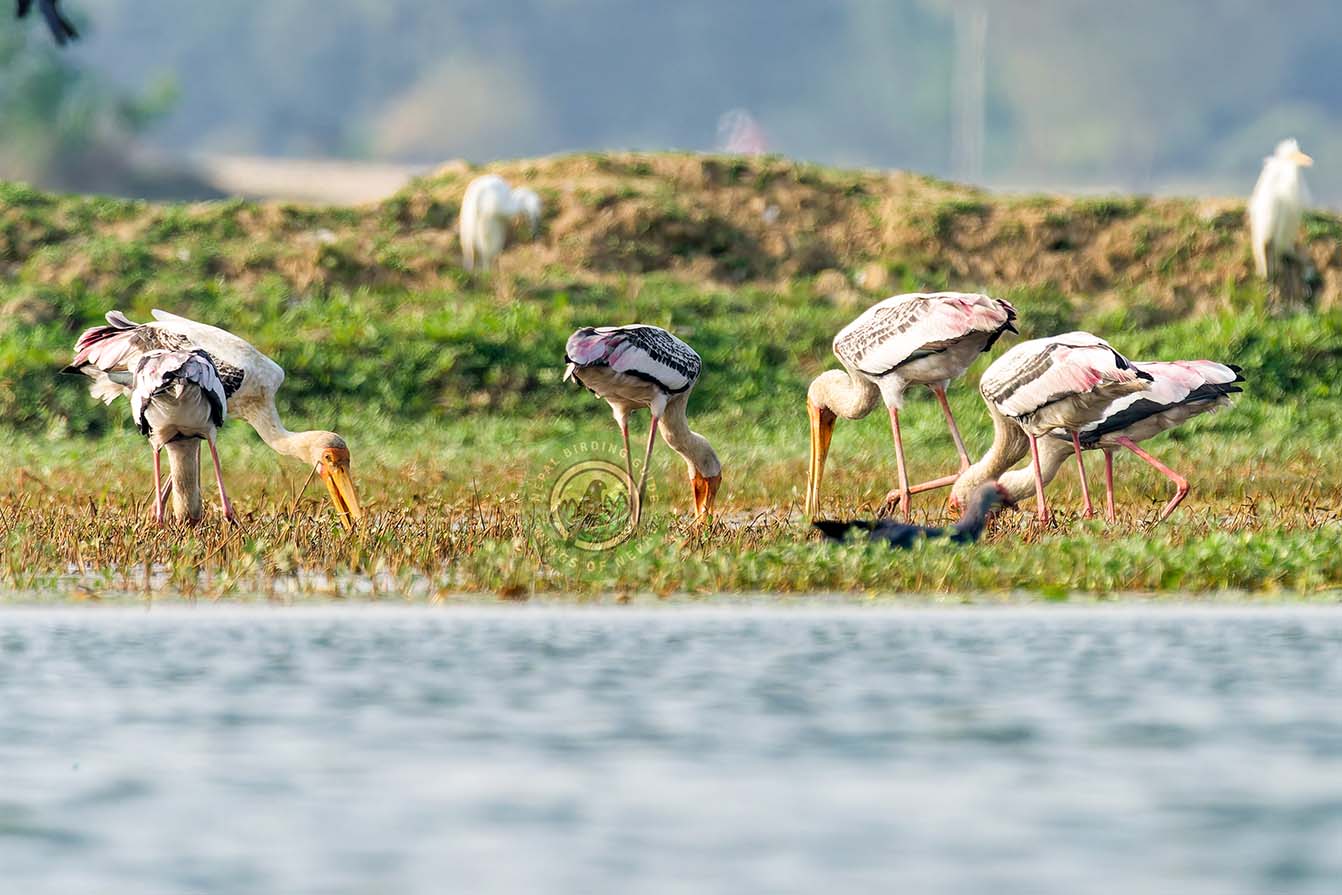
With 902 recorded bird species, Nepal hosts an astonishing variety of birds within a relatively small geographic area. From tropical forests to alpine meadows, the range of habitats makes it possible to photograph drastically different species within just a few days.
In places like Chitwan National Park, photographers can capture vibrant kingfishers, hornbills, and jungle fowl in golden morning light. Meanwhile, the hills around Phulchowki are perfect for photographing colorful laughingthrushes, warblers, and sunbirds.
Bird Photography in Nepal: Tips for Capturing Unique Moments
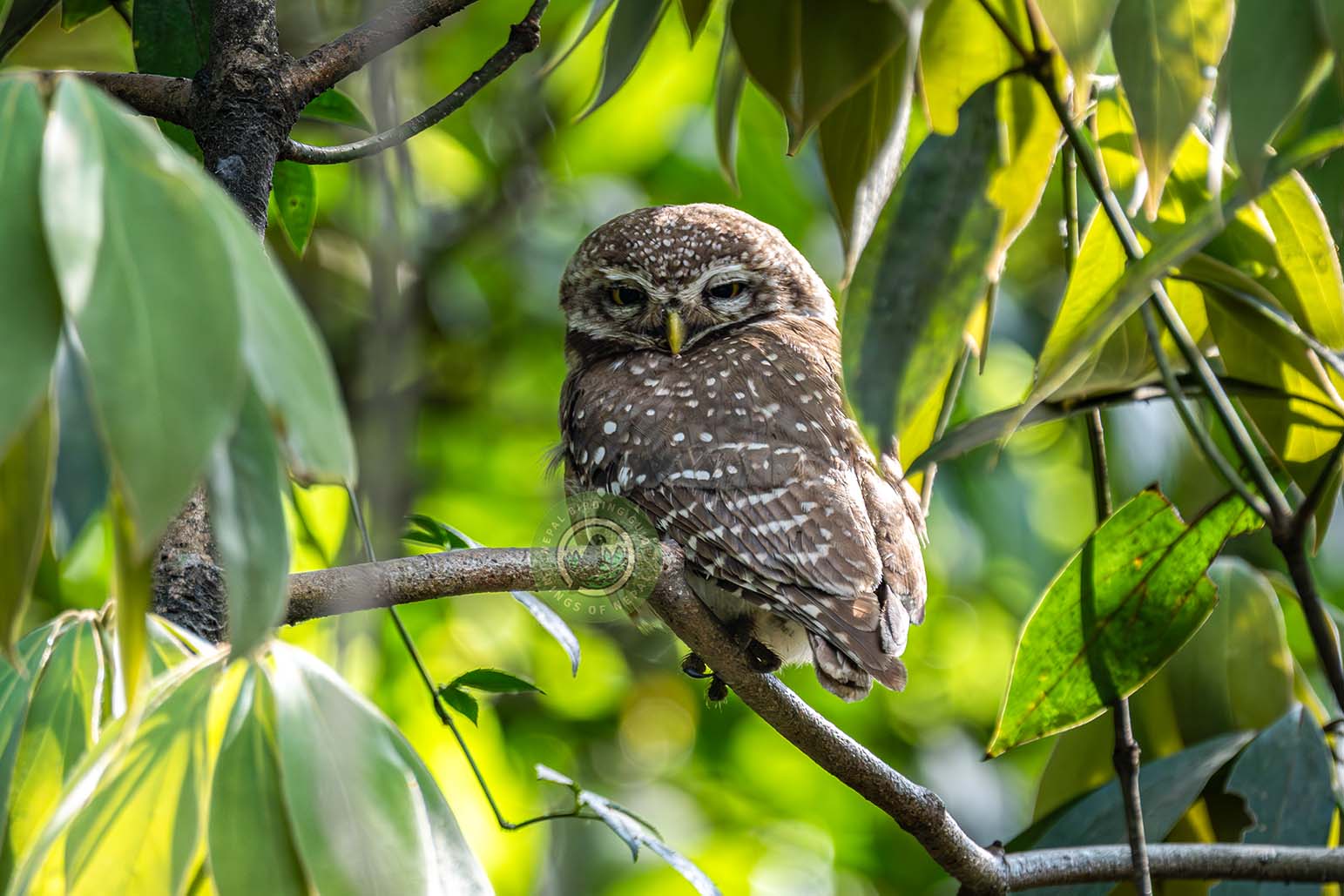
With 902 recorded bird species, Nepal is one of the most rewarding birdwatching destinations in Asia, offering remarkable diversity within a relatively small geographic area. From tropical forests, wetlands, and grasslands to mid-hill woodlands and high-altitude alpine meadows, Nepal’s varied landscapes support an incredible range of birdlife. Birdwatchers and photographers can encounter colorful pheasants, rare Himalayan species, migratory birds, waterbirds, raptors, and many forest specialists. The country’s diverse habitats and dramatic changes in elevation make it possible to explore several distinct birding environments within a single trip. With experienced local guides, visitors can discover Nepal’s rich birdlife while enjoying its spectacular natural landscapes.
In places like Chitwan National Park, photographers can capture vibrant kingfishers, hornbills, and jungle fowl in golden morning light. Meanwhile, the hills around Phulchowki are perfect for photographing colorful laughingthrushes, warblers, and sunbirds.
The Magic of Combining Birdwatching and Photography
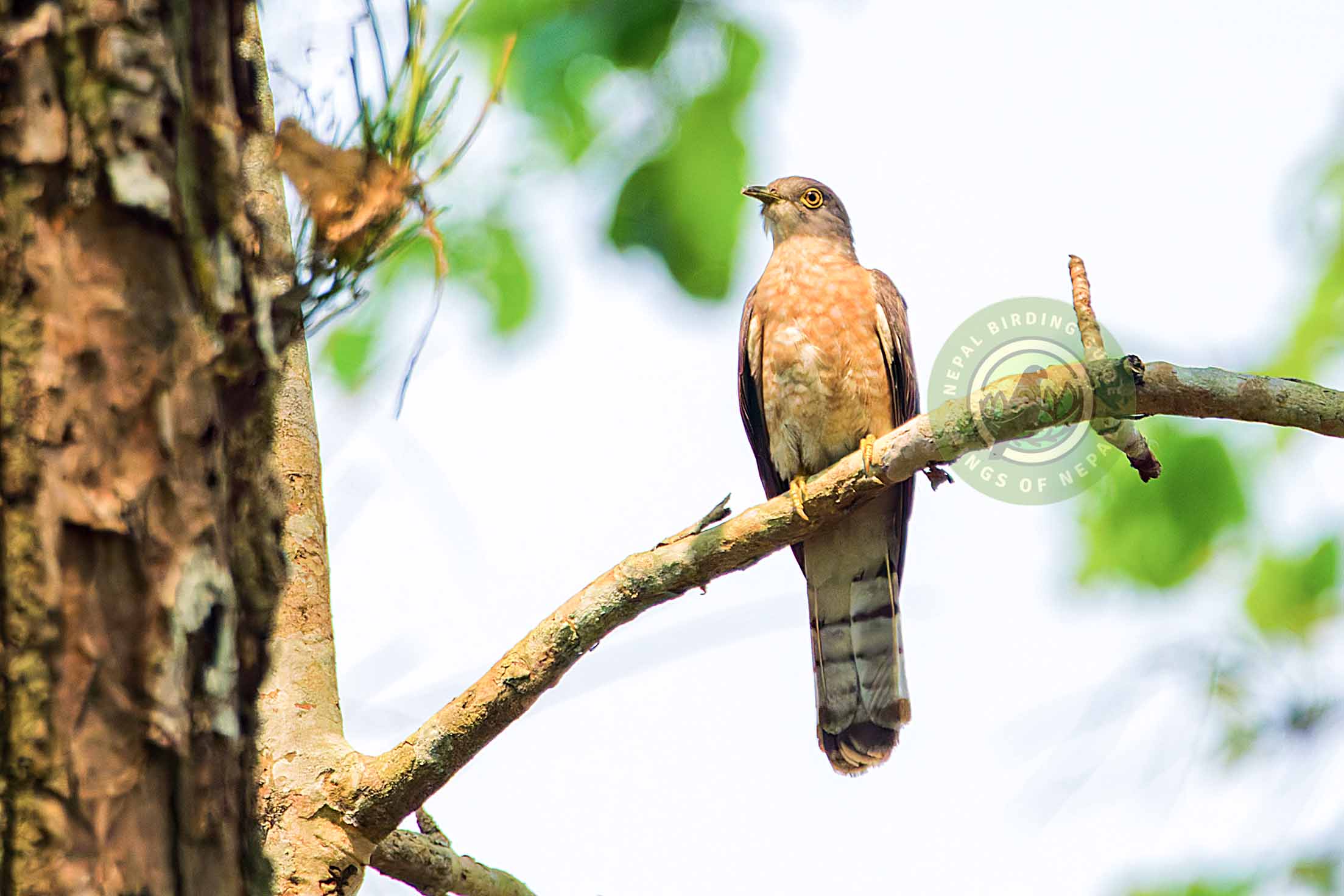
Birdwatchers often rely on bird calls, songs, movements, flight patterns, feeding behavior, and habitat clues to locate different species. As a photographer, this knowledge becomes extremely valuable because understanding where and how a bird behaves helps you prepare for the perfect moment. You gradually learn to anticipate when a bird may land on an open branch, begin feeding, display its feathers, call, interact with another bird, or suddenly take flight. This combination of knowledge, patience, and timing greatly increases your chances of capturing stunning, natural photographs rather than simple snapshots. It also encourages you to photograph birds responsibly without disturbing their natural behavior.
Patience is one of the most important qualities in both birdwatching and bird photography. Sometimes the best photograph may require sitting quietly in a forest, wetland, grassland, or mountain trail for a considerable amount of time. Listening to the dawn chorus, watching birds move naturally through their habitat, and waiting for the right light and perfect composition can be incredibly peaceful and fulfilling. Even when the expected species does not appear, the experience itself can be rewarding, as you may encounter other birds, wildlife, or unexpected moments in nature. Over time, these quiet hours in the field develop patience, concentration, and a deeper appreciation for Nepal’s extraordinary birdlife.
Best Locations for Bird Photography in Nepal
Nepal is an exceptional destination for bird photography and birdwatching, with 902 recorded bird species across a remarkable range of habitats. From the tropical lowlands of the Terai to the forests and mountains of the Himalayas, photographers can experience very different birding environments within a relatively short journey.
Whether you are looking for colorful forest birds, rare Himalayan species, wetland birds, raptors, pheasants, or migratory species, Nepal offers excellent opportunities throughout the year. Here are some of the best places for bird photography in Nepal.
- Chitwan National Park
Chitwan National Park is one of Nepal’s most popular destinations for wildlife and bird photography. Its forests, grasslands, rivers, wetlands, and agricultural surroundings create diverse habitats for a wide variety of bird species.
Bird photographers can look for Lesser Adjutant, Bengal Florican, Great Hornbill, Oriental Pied Hornbill, woodpeckers, kingfishers, barbets, egrets, herons, and numerous raptors. The early morning hours are particularly rewarding, when birds are active and the soft natural light is ideal for photography.
Chitwan is also an excellent destination for combining bird photography with wildlife photography, as the national park is famous for mammals such as the One-horned Rhinoceros, Bengal Tiger, Wild Elephant, and several species of deer.
- Koshi Tappu Wildlife Reserve
Koshi Tappu Wildlife Reserve is one of Nepal’s premier destinations for wetland birdwatching and bird photography. The extensive wetlands, rivers, grasslands, and open landscapes attract resident and migratory birds, particularly during the winter months.
Photographers can search for ducks, waders, herons, egrets, storks, ibises, kingfishers, raptors, and other water-associated species. The relatively open habitat can make it easier to observe birds in flight, feeding, and other natural behaviors.
For photographers interested in migratory birds, winter is particularly productive because many species arrive from northern regions and use Nepal’s wetlands as feeding and resting grounds.
- Phulchowki and Godawari Forest
Located close to Kathmandu, Phulchowki and Godawari Forest are among the most accessible birdwatching destinations in the Kathmandu Valley. The forests provide excellent opportunities to photograph a wide variety of Himalayan and subtropical forest birds without traveling far from the capital.
Bird photographers can look for barbets, flycatchers, minivets, laughingthrushes, sunbirds, woodpeckers, tits, leafbirds, and other forest species. The changing elevation and forest habitats around Phulchowki make the area particularly attractive for photographers searching for Himalayan bird species.
For visitors staying in Kathmandu, a Phulchowki and Godawari birdwatching tour can be an excellent introduction to bird photography in Nepal.
- Langtang National Park
For photographers interested in high-altitude Himalayan birds, Langtang National Park offers a spectacular combination of mountain scenery and bird diversity. The park includes forests, alpine meadows, rhododendron habitats, and high-elevation landscapes.
Among the sought-after species are the Himalayan Monal, Snow Partridge, Blood Pheasant, Himalayan Griffon, and other mountain birds. Photography in Langtang is particularly rewarding because bird encounters can be combined with dramatic views of the Himalayan landscape.
A bird photography trek in Langtang is ideal for travelers who want to experience both Himalayan trekking and specialized birdwatching.
Essential Tips for Bird Photography in Nepal
- Choose the Right Camera and Lens
A DSLR or mirrorless camera paired with a 300mm to 600mm telephoto lens is highly suitable for bird photography. Longer focal lengths allow photographers to capture detailed images while maintaining a respectful distance from wildlife.
However, expensive equipment alone does not guarantee great photographs. Understanding bird behavior, lighting, composition, focusing techniques, and fieldcraft is often more important than having the most expensive camera.
- Photograph During the Best Light
The early morning and late afternoon are generally the best times for bird photography in Nepal. Birds are often more active during these periods, while the softer light produces natural colors, better detail, and more attractive backgrounds.
Morning light can also provide excellent opportunities to photograph birds feeding, calling, displaying, or moving between trees.
- Move Slowly and Stay Quiet
Birds can be easily disturbed by sudden movements and loud sounds. Move slowly, avoid unnecessary noise, and give birds enough space to behave naturally.
Wearing neutral-colored clothing can help you blend into the surroundings. When photographing wild birds, patience and fieldcraft are far more effective than chasing birds from one location to another.
- Learn Bird Calls and Songs
Learning to recognize bird calls and songs is one of the most useful skills for bird photographers in Nepal. Many forest birds remain hidden among dense vegetation, but their calls can reveal their location.
An experienced local birding guide can help identify calls and understand where particular species are likely to occur. This can significantly improve your chances of finding and photographing difficult forest species.
- Respect Wildlife and Follow Ethical Photography Practices
Responsible bird photography should always prioritize the welfare of birds. Maintain a safe distance, avoid disturbing nests, and never interfere with feeding, breeding, or nesting behavior simply to obtain a photograph.
Avoid excessive playback of bird calls and do not encourage birds to move into unsuitable locations for photography. Ethical bird photography helps protect Nepal’s wildlife and supports long-term bird conservation.
Best Seasons for Bird Photography in Nepal
Winter: December to February
Winter is an excellent season for photographing migratory and resident birds, particularly around wetlands and lowland habitats such as Koshi Tappu and Chitwan. Clear weather and comfortable conditions in many lowland areas can provide excellent opportunities for photography.
Spring: March to May
Spring brings increasing bird activity, breeding behavior, and fresh vegetation. Many birds become more vocal and active during this period, creating excellent opportunities for observing natural behavior and capturing colorful photographs.
Monsoon: June to September
The monsoon transforms Nepal’s forests and landscapes into lush green environments. Rain and cloudy conditions can make photography more challenging, but the season can also produce atmospheric images, vibrant backgrounds, and interesting bird behavior.
Autumn: October to November
Autumn is one of the most attractive seasons for birdwatching and bird photography in Nepal. Clear skies, pleasant weather, good visibility, and active birdlife make this period especially suitable for combining bird photography with Himalayan landscapes and trekking.
Why Choose Nepal for Bird Photography?
Nepal offers something particularly valuable for bird photographers: extraordinary habitat diversity within a relatively small geographic area. A journey can take you from subtropical forests and wetlands to mid-hill forests and high-altitude Himalayan landscapes.
With 902 recorded bird species, Nepal provides opportunities for both beginners and experienced bird photographers. You can photograph colorful forest birds around Kathmandu, wetland species in the Terai, and spectacular Himalayan birds such as the Himalayan Monal at higher elevations.
The combination of bird diversity, varied habitats, dramatic landscapes, and experienced local birding guides makes Nepal an outstanding destination for a dedicated bird photography tour.
The Emotional Connection of Bird Photography
Bird photography in Nepal is about much more than collecting beautiful images. It is an opportunity to slow down, spend time in nature, and develop a deeper understanding of wild birds and their habitats.
Watching a bird build a nest, feed its young, search for food, display during breeding season, or sing in the early morning can create unforgettable memories. These moments often become more meaningful than the photograph itself.
Every photograph can tell a story. A colorful sunbird feeding on nectar, a woodpecker searching for insects, a Himalayan Monal moving through a mountain forest, or a raptor soaring above the Himalayan landscape can preserve a unique moment in Nepal’s natural world.
For bird photographers, Nepal is not simply a place to take photographs—it is a destination to explore, observe, learn, and connect with nature.