
Table of Contents
ToggleBird Watching at Phulchowki and Godawari
Bird Watching at Phulchowki and Godawari: A Nature Lover’s Paradise
Bird Watching at Phulchowki and Godawari is one of the best birding experiences in the Kathmandu Valley, Nepal. Located close to Kathmandu, this area offers an impressive range of habitats, from subtropical forests and dense woodlands to cultivated fields, streams, and mountain forests. The gradual change in elevation makes Phulchowki and Godawari particularly rewarding for birdwatchers, nature photographers, and visitors interested in Himalayan bird species.
Phulchowki, rising to approximately 2,762 meters (9,075 feet), is the highest hill surrounding the Kathmandu Valley. Its forests support a rich variety of resident and seasonal birds. Godawari, located at the foothills of Phulchowki, provides excellent opportunities to explore lower-elevation woodland and forest-edge habitats.
For travelers looking for bird watching near Kathmandu, Phulchowki and Godawari are convenient destinations for a half-day or full-day birding trip. With an experienced local birding guide, visitors can explore different elevations and habitats and increase their chances of finding a wide range of Himalayan birds.
Bird Watching at Phulchowki and Godawari: Exploring Avian Diversity
Bird Watching at Phulchowki and Godawari: The Birdwatcher’s Haven
Why Phulchowki?
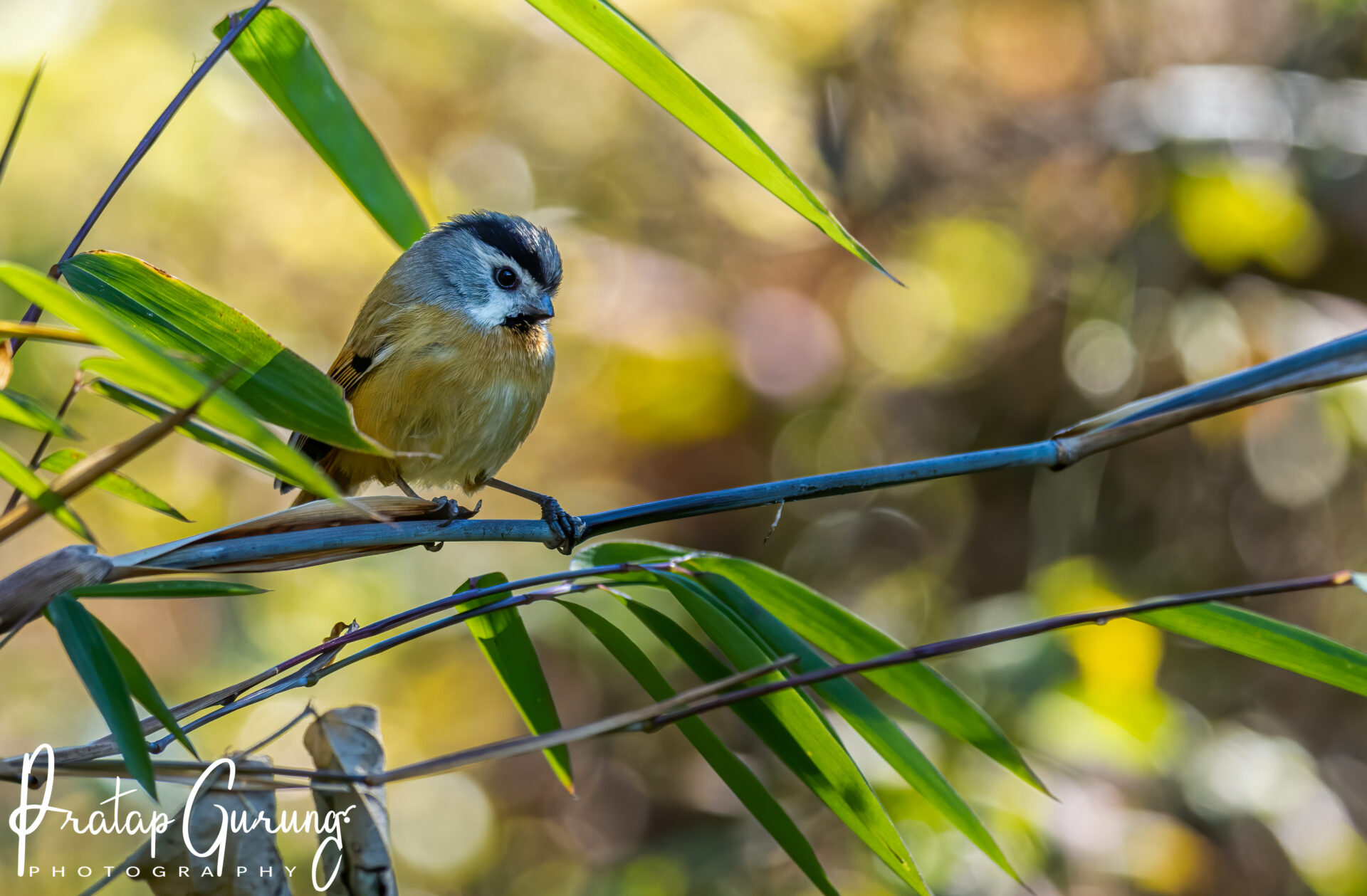
At 2,762 meters, Phulchowki is the highest hill surrounding the Kathmandu Valley. It is famous for its dense, subtropical forests that host over 300 species of birds. The altitude variations create diverse habitats, attracting a wide range of resident and migratory species.
Best Birding Spots at Phulchowki
- Phulchowki Base (Godawari) – Start your journey at the Godawari entrance, where mixed forests provide a habitat for many birds.
- Middle Trails – As you ascend, you’ll find species like the Eurasian Jay, Mountain Hawk-Eagle, and several types of woodpeckers.
- Phulchowki Summit – The higher elevations are home to rare species like the Himalayan Cutia, Scarlet Finch, and Chestnut-headed Tesia.
Why Choose Bird Watching at Phulchowki and Godawari for Bird Watching?
Phulchowki and Godawari are popular among birdwatchers because of their combination of accessibility, elevation, forest diversity, and bird habitat. The route from Godawari toward Phulchowki passes through changing vegetation zones, creating opportunities to see different bird species within a relatively short distance.
The area is especially attractive for visitors who have limited time in Nepal but still want to experience birdwatching in Kathmandu Valley. Early morning is generally the most productive period, when birds are active and forest conditions are often quieter.
Birdwatchers may encounter babblers, laughingthrushes, tits, minivets, flycatchers, woodpeckers, sunbirds, cuckoos, warblers, pheasants, and other Himalayan forest birds. Seasonal movements can also add interesting species to the birding experience.
Upper Part Birds of Phulchowki
The upper section of Phulchowki is characterized by cooler temperatures, dense montane forest, moss-covered trees, and rich undergrowth. As the elevation increases, the bird community changes, providing opportunities to search for species associated with higher Himalayan forests.
Among the highlights are Himalayan Cutia, Black-headed Shrike-Babbler, Yellow-billed Blue Magpie, Rufous Sibia, Green-tailed Sunbird, Black-throated Sunbird, White-throated Laughingthrush, and various tits and laughingthrushes.
The upper forest can also be productive for woodpeckers and other tree-dwelling species. Patient birdwatchers should scan the canopy, tree trunks, and forest edges carefully.
Notable Upper Phulchowki Birds
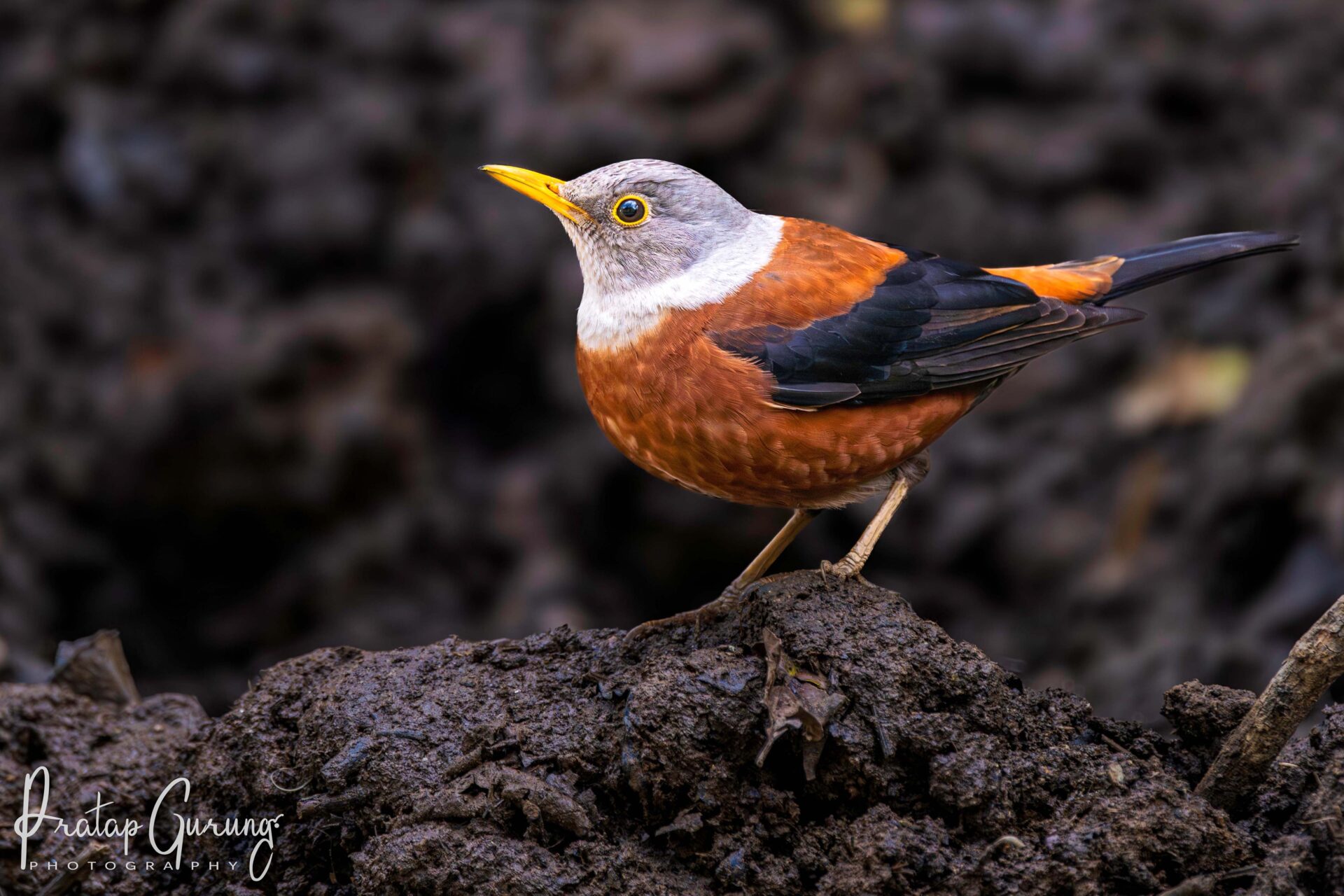
- Himalayan Cutia
- Rufous Sibia
- Yellow-billed Blue Magpie
- Black-headed Shrike-Babbler
- Green-tailed Sunbird
- Black-throated Sunbird
- White-throated Laughingthrush
- Grey-headed Woodpecker
- Darjeeling Woodpecker
- Black-eared Shrike-Babbler
- Various tits and leafbirds
- Seasonal flycatchers and warblers
The higher forest is also an excellent place for bird photography. Soft morning light, forest backgrounds, and close-range encounters can provide attractive photographic opportunities.
Middle Part Birds of Phulchowki
The middle section between Godawari and the higher elevations of Phulchowki offers a mixture of broadleaf forest, forest trails, shrubs, bamboo, and open areas. This transition zone is particularly interesting because it can attract birds from both lower and higher elevations.
Birdwatchers can search for Grey-headed Canary-Flycatcher, Maroon Oriole, Blue-winged Minla, Black-chinned Yuhina, Green-backed Tit, Grey-crested Tit, Nepal Fulvetta, White-tailed Nuthatch, and different species of babblers and laughingthrushes.
Mixed feeding flocks can sometimes be encountered in this section. When one species is located, it is worth carefully searching the surrounding vegetation because several other species may be moving together.

Notable Middle Phulchowki Birds
- Grey-headed Canary-Flycatcher
- Maroon Oriole
- Blue-winged Minla
- Black-chinned Yuhina
- Nepal Fulvetta
- Green-backed Tit
- Grey-crested Tit
- White-tailed Nuthatch
- Black-chinned Yuhina
- Striated Laughingthrush
- Black-faced Warbler
- Various bulbuls and flycatchers
The middle forest is often one of the most rewarding sections for general birding because of the variety of habitats and feeding opportunities.
Lower Part and Godawari Birds
The lower elevations around Godawari provide a different birding experience. The landscape includes forest edges, gardens, agricultural areas, streams, plantations, and subtropical vegetation. These habitats support a broad range of common and specialized birds.
Species such as Spiny Babbler, Grey Treepie, Black Bulbul, Red-vented Bulbul, Oriental White-eye, Common Tailorbird, Lesser Racket-tailed Drongo, Black-naped Monarch, Scarlet Minivet, and various barbets and woodpeckers can be found around the lower forest and surrounding areas.
Godawari is particularly suitable for birdwatchers who want to combine forest birding with photography. The quieter trails and vegetation around streams can provide good opportunities for observing small birds.
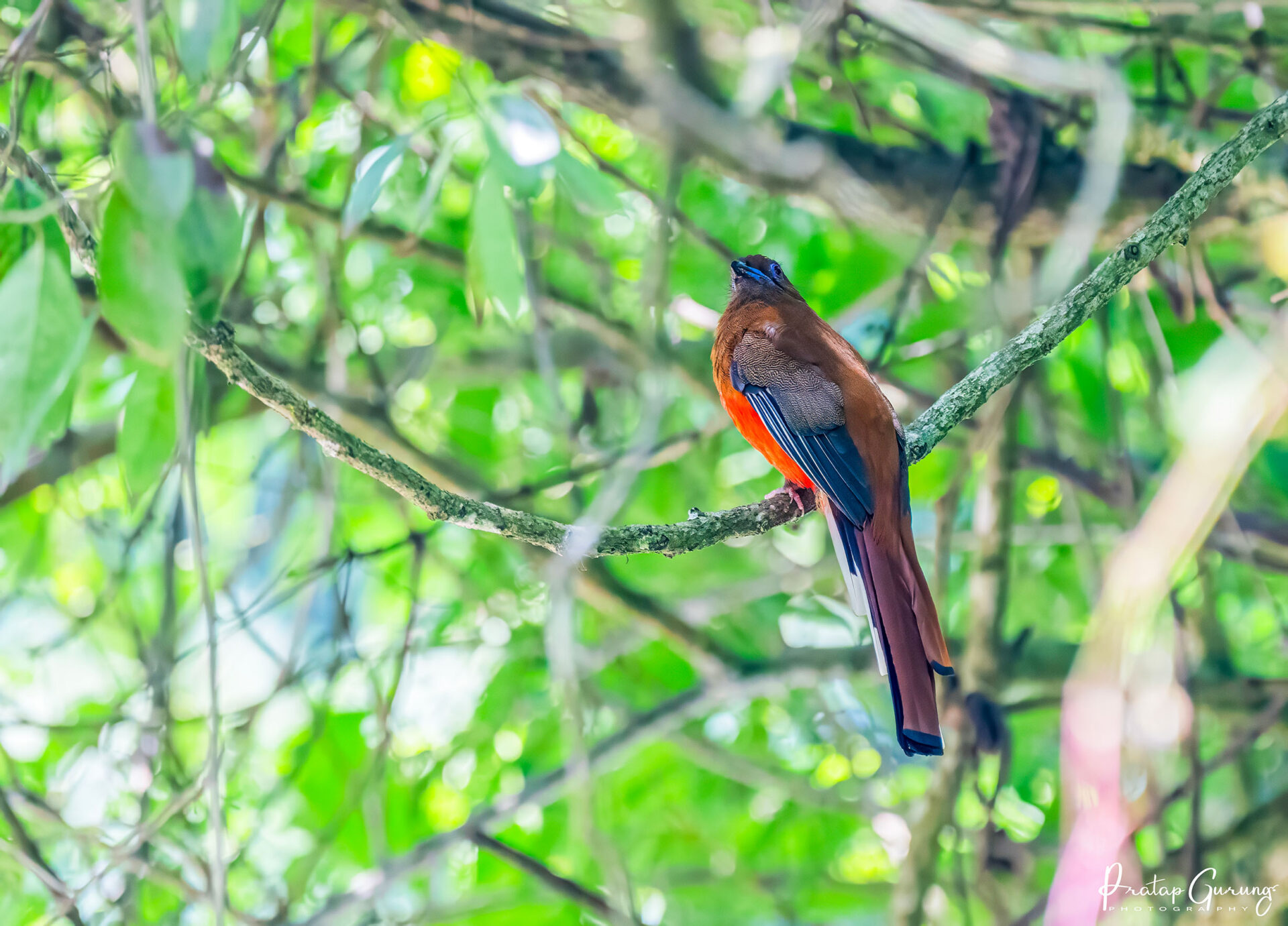
Notable Godawari and Lower Phulchowki Birds
- Spiny Babbler
- Black Bulbul
- Red-vented Bulbul
- Grey Treepie
- Oriental White-eye
- Common Tailorbird
- Black-naped Monarch
- Scarlet Minivet
- Lesser Racket-tailed Drongo
- Blue-throated Barbet
- Grey-headed Woodpecker
- Common Iora
- Various sunbirds, warblers, and babblers
Best Time for Bird Watching at Phulchowki and Godawari
The best time for bird watching at Phulchowki and Godawari is generally from early morning, when bird activity is high. Starting around sunrise allows visitors to take advantage of the first feeding activity of the day.
Spring and autumn can be particularly rewarding because of active resident birds and seasonal movements. Winter may offer excellent opportunities for observing winter visitors, while the warmer months bring increased activity among resident forest species.
Weather conditions can change quickly at higher elevations, so birdwatchers should be prepared for cool temperatures, fog, wind, and occasional rain.
What Birds Can You See?
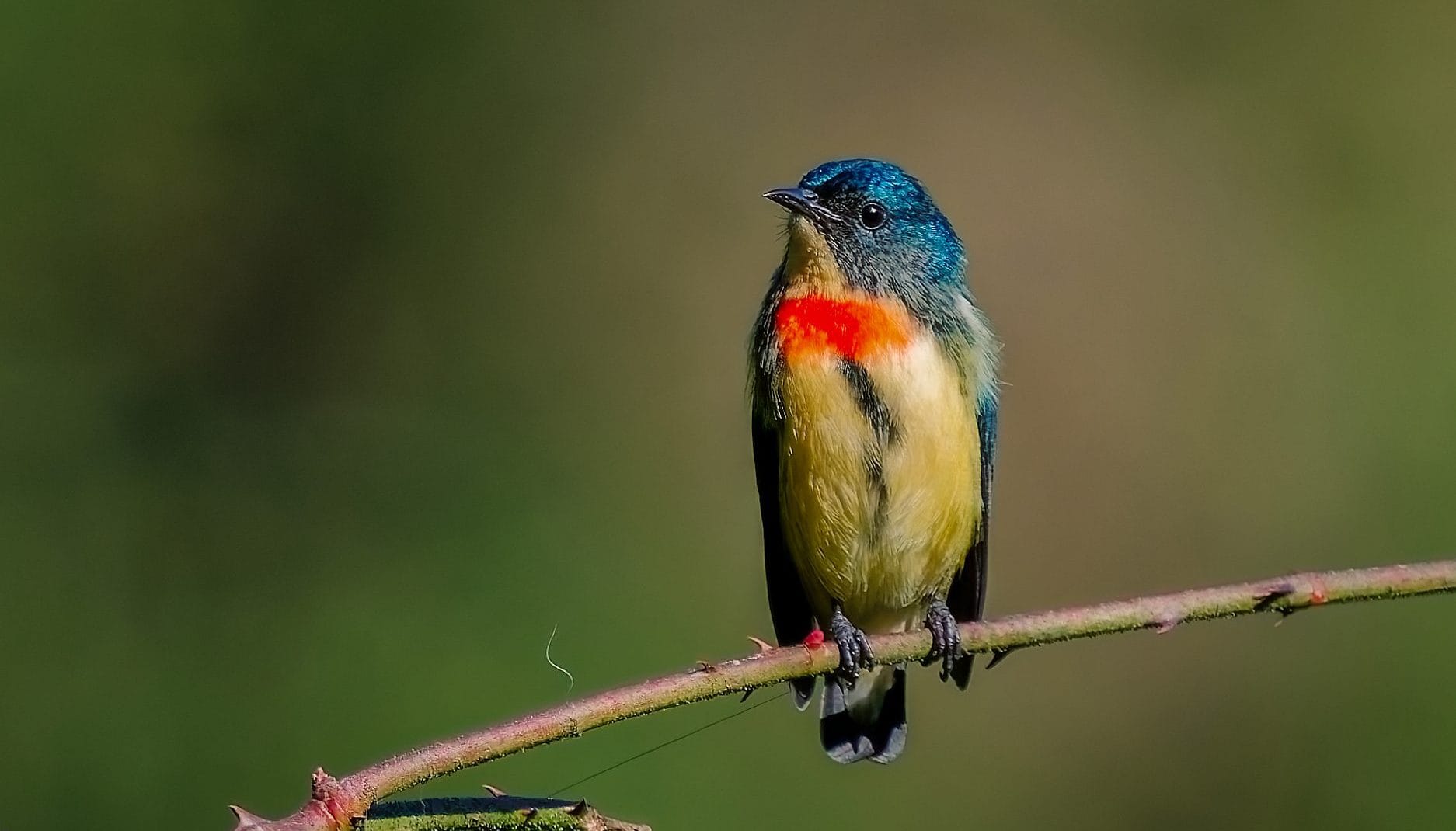
The exact bird list varies according to season, weather, elevation, and local conditions. Phulchowki and Godawari are known for supporting a diverse selection of Himalayan and subtropical birds.
Some of the birds that birdwatchers may encounter include:
Pheasants: Kalij Pheasant and other forest species.
Babblers and Laughingthrushes: White-throated Laughingthrush, Striated Laughingthrush, Nepal Fulvetta, and other forest babblers.
Flycatchers: Grey-headed Canary-Flycatcher and seasonal flycatchers.
Sunbirds: Green-tailed Sunbird, Black-throated Sunbird, and other nectar-feeding species.
Woodpeckers: Several Himalayan woodpecker species can be searched for along mature forest sections.
Tits and Yuhinas: Mixed feeding flocks can produce several species in a single encounter.
Barbets and Orioles: Lower elevations and forest edges can be productive for these colorful birds.
Tips for a Successful Birdwatching Trip
🔹 Start Early – Birds are most active in the early morning.
🔹 Bring Binoculars and a Field Guide – A good pair of binoculars and a Nepal bird guidebook will enhance your experience.
🔹 Move Quietly – Sudden movements and noise can scare away birds.
🔹 Check the Weather – Phulchowki can get misty and cold, so dress in layers.
🔹 Respect Nature – Avoid disturbing the wildlife and stick to designated trails.
Final Thoughts
Whether you’re a seasoned birder or just starting, Phulchowki and Godawari offer an unforgettable experience with their rich birdlife and serene natural beauty. The variety of species, peaceful forest trails, and fresh mountain air make this a must-visit destination for nature enthusiasts.
Bird Photography at Phulchowki
Phulchowki and Godawari are excellent destinations for bird photography near Kathmandu. The combination of forest trails, natural backgrounds, changing elevations, and diverse birdlife provides photographers with many opportunities.
For photography, a telephoto lens is recommended because many forest birds remain high in the canopy or move quickly through dense vegetation. A lightweight tripod or monopod can also be useful for longer birding sessions.
Photographers should avoid disturbing birds for photographs. Maintaining a safe distance and allowing birds to behave naturally is essential for responsible wildlife photography.
How to Reach Phulchowki and Godawari
Godawari is located approximately 20 kilometers southeast of central Kathmandu, making it one of the most accessible birding destinations in the Kathmandu Valley. From Godawari, the road and trails continue toward Phulchowki.
A private vehicle or organized birdwatching tour is a convenient option for visitors. Starting early in the morning is recommended to maximize birding time and avoid unnecessary traffic.
Recommended Birding Experience
A full-day Phulchowki and Godawari birdwatching tour allows enough time to explore both lower and higher elevations. An early morning start from Kathmandu can be followed by birding around Godawari before gradually moving toward Phulchowki.
Visitors with limited time can also choose a half-day birdwatching trip around Godawari and the lower forest. However, a full day provides a better opportunity to explore different habitats and search for a wider range of species.
Why Birdwatch with a Local Guide?
Birding in dense Himalayan forests can be challenging because many species are small, quiet, and well camouflaged. A knowledgeable local birding guide can help identify bird calls, locate birds in dense vegetation, understand seasonal movements, and choose productive habitats.
For visitors interested in Nepal bird watching tours, Phulchowki and Godawari are an excellent introduction to the bird diversity of Nepal. The destination combines easy access from Kathmandu with the opportunity to experience Himalayan forest birding within a single day.
Frequently Asked Questions About Phulchowki and Godawari Bird Watching
Where is the best place for bird watching near Kathmandu?
Phulchowki and Godawari are among the best birdwatching destinations near Kathmandu. Their varied elevations and forest habitats support a wide range of Himalayan and subtropical birds.
What is the best time to go bird watching at Phulchowki?
Early morning is the best time because birds are generally most active around sunrise. Starting early also provides better opportunities for photography and longer birding sessions.
Can beginners go bird watching at Phulchowki and Godawari?
Yes. The area is suitable for beginners as well as experienced birdwatchers. A local guide can make the experience easier by helping identify calls and locate birds.
How long do I need for Phulchowki bird watching?
A half-day trip can provide a good introduction, but a full-day birdwatching tour is recommended for visitors who want to explore both Godawari and the higher elevations of Phulchowki.
What should I bring for bird watching?
Bring binoculars, a camera with a suitable telephoto lens, comfortable walking shoes, drinking water, light snacks, weather-appropriate clothing, sunscreen, and a field guide or bird identification app.
Conclusion
Bird Watching at Phulchowki and Godawari offers an outstanding opportunity to experience Nepal’s Himalayan bird diversity without traveling far from Kathmandu. From subtropical forests around Godawari to the cool montane forests of upper Phulchowki, each elevation offers different habitats and bird species.
Whether you are a dedicated birder, wildlife photographer, nature enthusiast, or first-time visitor to Nepal, this destination provides a rewarding combination of accessible trails, beautiful forests, and diverse birdlife. For the best experience, start early, explore different elevations, and consider joining a local birding guide who knows the calls, habitats, and seasonal movements of the birds.